


Emotional Wellbeing
Supporting children from the inside out.
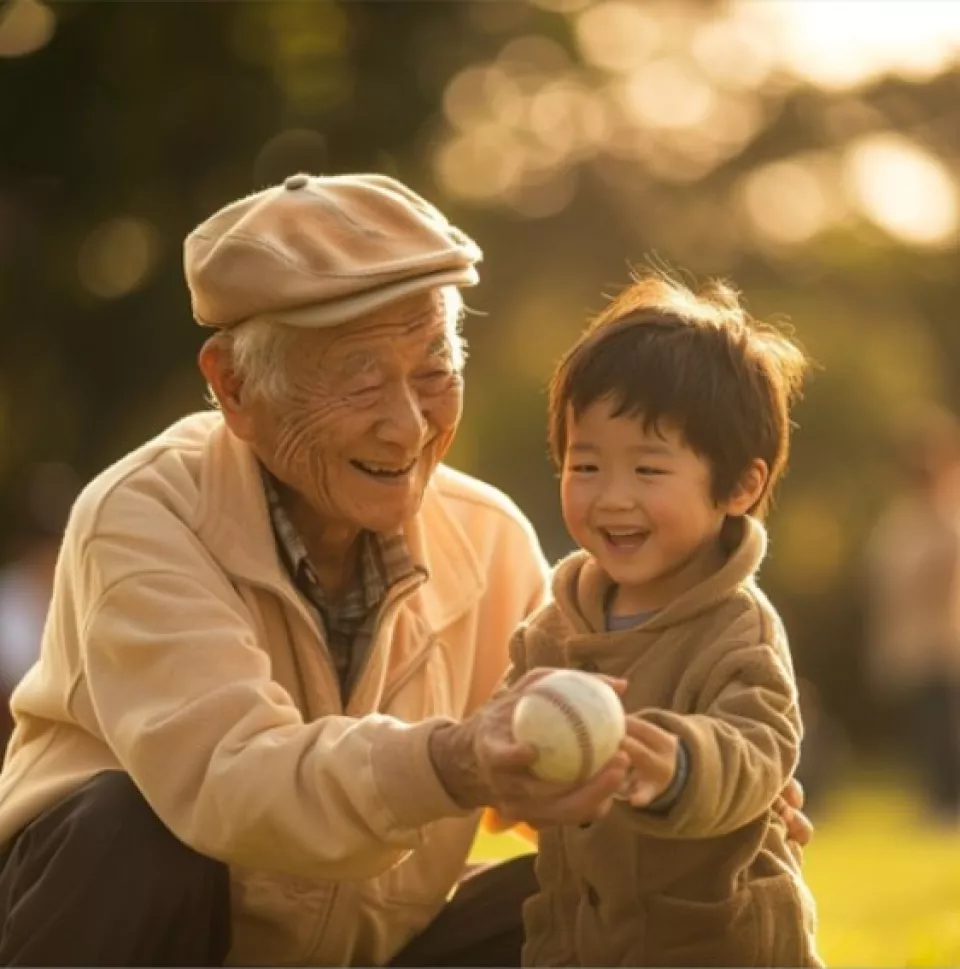
Emotional wellbeing shapes how children experience the world, themselves and others. When children feel safe, supported and understood, they are more able to explore, connect and learn.

Supporting children's emotional wellbeing begins with understanding what they may be feeling beneath the surface and responding in ways that help them feel seen, heard and valued.
Every moment of connection, every calm response, and every opportunity to be heard helps children build trust in themselves and in the world around them.
Explore Wellbeing
Read the overviews below
Click on an area icon to learn more

Feeling safe and secure
Exploring how relationships, environments and everyday experiences help children feel safe, supported and emotionally secure.
Find ideas for creating calm spaces, building trust and supporting children through transitions and separation.
Includes practical strategies to strengthen belonging, connection and emotional safety.

Understanding and expressing emotions
Supporting children to recognise, understand and express their feelings in healthy ways.
Explore emotional literacy, co-regulation, empathy and ways to help children navigate big emotions.
Includes practical ideas, conversations, play experiences and supportive strategies for everyday moments.

Building confidence and independence
Encouraging children to develop confidence, resilience and belief in their own abilities.
Discover ways to support independence, decision-making, persistence and positive risk-taking through everyday experiences.
Includes practical strategies to nurture capable, confident and empowered learners.

Developing resilience
Helping children build the emotional skills needed to cope with challenges, setbacks and change.
Explore ways to support persistence, flexible thinking, emotional strength and problem-solving.
Includes practical strategies to help children manage frustration, bounce back and keep trying.

Connecting with others
Supporting children to develop positive social skills, friendships and a sense of belonging.
Explore empathy, cooperation, communication and ways children learn through relationships and shared experiences.
Includes practical ideas to support social confidence, connection and positive interactions with others.

Physical wellbeing and self-care
Supporting children's physical health, movement, self-care and growing independence.
Explore active play, healthy routines, body awareness and everyday self-help skills that support wellbeing.
Includes practical ideas for movement, rest, nutrition, personal care and healthy daily habits.
When children feel safe, supported and seen, they begin to trust themselves and the world around them.